Learn how to approach CT oral cases in the FRCR 2B exam with a structured method for describing findings and justifying differential …
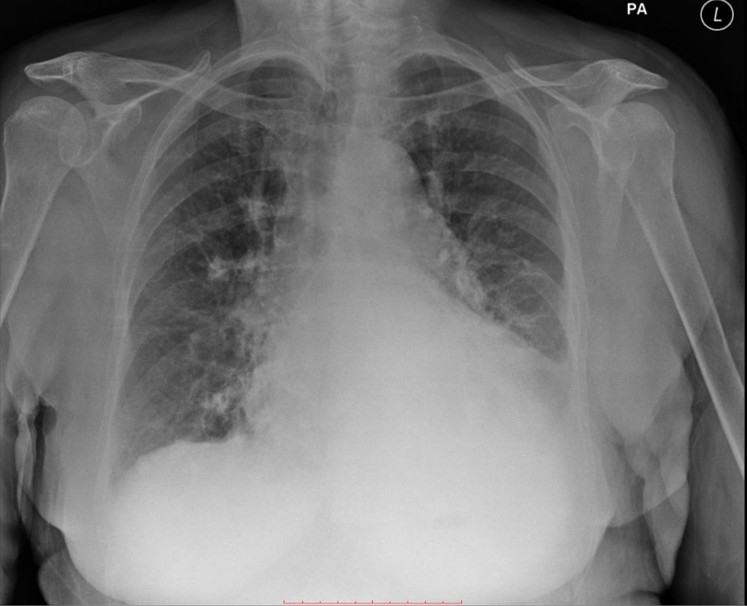
Chest radiographs are among the most frequently tested imaging modalities in the FRCR 2B oral examination. Candidates are expected not only to recognise abnormalities but also to describe findings clearly and justify diagnostic reasoning under time pressure.
Success in chest X-ray oral cases depends on adopting a systematic review pattern and communicating findings logically. Structured practice helps candidates develop the confidence and clarity required during viva-style discussions.
Chest radiography remains one of the most widely used imaging investigations in clinical medicine. Because of this, examiners often use chest X-rays to test a candidate’s ability to identify common pathology and communicate findings clearly.
Typical exam scenarios may include:
Candidates must demonstrate safe clinical reasoning rather than simply identifying a diagnosis.
Using a structured framework prevents important findings from being missed and helps maintain clarity during the oral exam.
A commonly used approach is the ABCDE method:
A – Airway
Assess the trachea and main bronchi. Look for deviation, narrowing, or obstruction.
B – Breathing (Lung Fields)
Evaluate lung fields for consolidation, masses, nodules, or interstitial patterns.
C – Cardiac Silhouette
Review heart size and borders. Cardiomegaly or contour abnormalities may indicate underlying pathology.
D – Diaphragm
Check diaphragmatic contours and costophrenic angles for effusions or elevation.
E – Everything Else
Assess bones, soft tissues, and medical devices such as lines or tubes.
Using a consistent verbal structure demonstrates organised thinking and helps examiners follow your reasoning.
After completing a systematic review, candidates should summarise key abnormalities clearly.
For example:
Clear and concise descriptions are essential. Avoid jumping directly to a diagnosis without first describing the findings.
Examiners expect candidates to justify their diagnostic reasoning. When appropriate, provide a short differential list.
For example:
The differential should be prioritised logically and linked to the imaging findings.
Regular exposure to exam-style cases is essential for developing confidence and improving pattern recognition.
Candidates can practise structured oral scenarios using dedicated FRCR oral revision cases available on this platform
Practising repeatedly helps refine both diagnostic reasoning and verbal communication.
Chest X-ray interpretation is a core skill tested in the FRCR 2B oral exam. A systematic review method combined with clear communication allows candidates to demonstrate safe and structured clinical reasoning.
Consistent case practice remains the most effective way to build exam readiness and confidence.
Written by FRCR-qualified radiologists with experience in exam preparation and training.
Learn how to approach CT oral cases in the FRCR 2B exam with a structured method for describing findings and justifying differential …

Learn how to improve verbal communication & structured explanations for the FRCR 2B oral exam.
Learn how to prepare effectively for the FRCR 2B oral exam. Improve structured reporting, viva confidence, diagnostic reasoning with practical strategies.
Learn how to prioritise & justify differential diagnoses clearly in FRCR 2B oral cases to maximise marks & demonstrate safe reasoning.
Discover how to approach nuclear medicine oral cases in the FRCR 2B exam, including radiotracer interpretation and structured reasoning.

Discover a proven structure for answering FRCR 2B oral cases clearly & confidently. Improve your viva technique & exam performance.