How Examiners Question Candidates In FRCR Oral Cases

The FRCR 2B oral exam is designed as a discussion rather than a traditional test. Examiners assess how candidates interpret imaging findings and explain their reasoning.

Understanding how examiners ask questions can help candidates prepare more effectively and respond with confidence.

Why Examiners Ask Follow-Up Questions

Examiners often ask additional questions to explore a candidate’s reasoning process.

These questions may test:

  • Understanding of imaging findings
  • Ability to justify a diagnosis
  • Knowledge of clinical implications

The goal is not to confuse candidates but to assess safe clinical thinking.

Types of Questions Asked in Oral Cases

Clarification Questions

Examiners may ask for clarification if a response is unclear.

Example:
“Can you describe the abnormality in more detail?”

Candidates should respond by providing a clearer explanation rather than repeating the same statement.

Differential Diagnosis Questions

Candidates are frequently asked:

“What are the possible diagnoses?”

Strong responses include a prioritised list supported by imaging findings.

Management Questions

Occasionally examiners ask what further steps might be required.

Examples include:

  • Additional imaging
  • Clinical correlation
  • Follow-up recommendations

These questions assess safe clinical judgement.

How to Respond When You Are Unsure

Uncertainty is normal in oral exams. When unsure:

  • Remain calm
  • Describe what you can see
  • Offer reasonable possibilities

Avoid guessing wildly or making unsupported claims.

Demonstrating safe reasoning is more important than absolute certainty.

Practising Oral Case Discussions

The best preparation for examiner questioning is realistic practice.

Candidates benefit from practising:

  • Verbal explanations
  • Justifying differential diagnoses
  • Responding to follow-up questions

Final Thoughts

Understanding how examiners question candidates can reduce anxiety and improve performance in the FRCR 2B oral exam.

Regular practice with realistic cases allows candidates to develop confidence, clarity, and structured reasoning.

Author

Written by FRCR-qualified radiologists with experience in exam preparation and training.

Other Online Insights & Guides To Support FRCR 2B Oral Cases

Ct Oral Cases In Frcr 2b

Learn how to approach CT oral cases in the FRCR 2B exam with a structured method for describing findings and justifying differential …
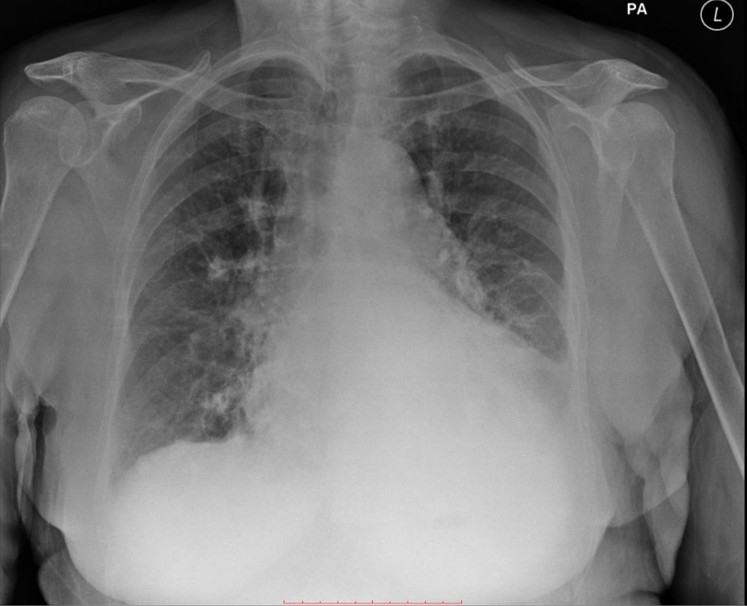

Improving Verbal Communication For Frcr 2b Oral Exams

Learn how to improve verbal communication & structured explanations for the FRCR 2B oral exam.
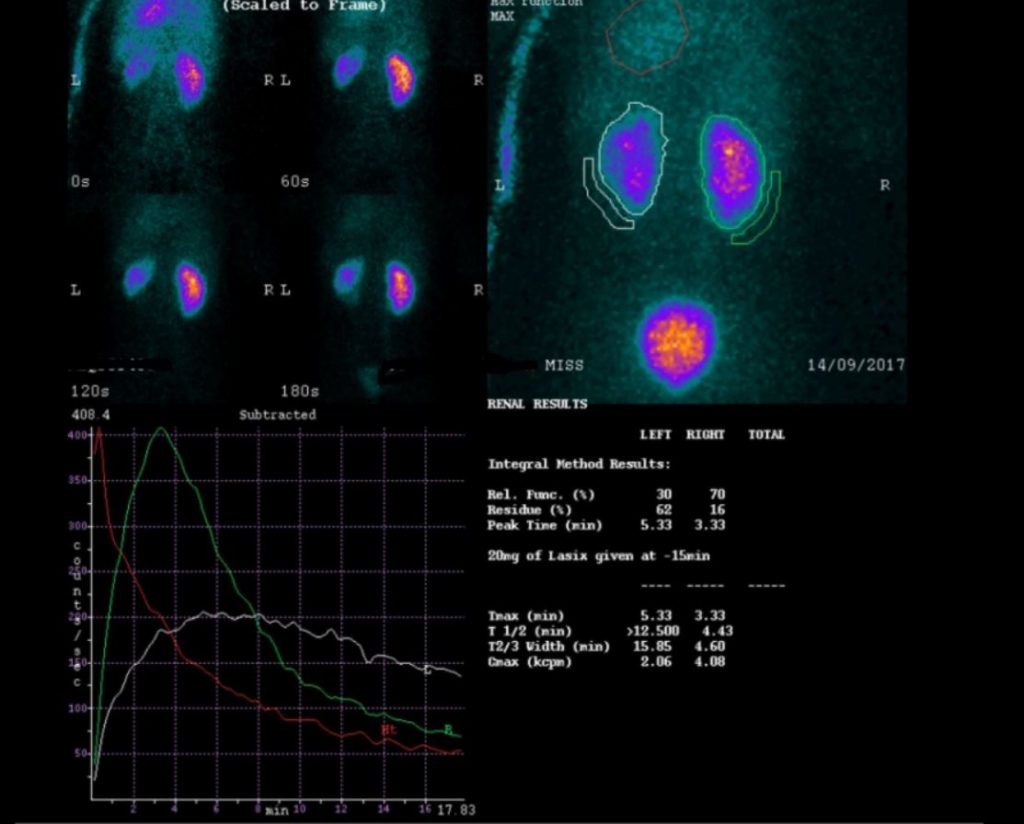
How To Prepare Specifically For The Frcr 2b Oral Exam

Learn how to prepare effectively for the FRCR 2B oral exam. Improve structured reporting, viva confidence, diagnostic reasoning with practical strategies.
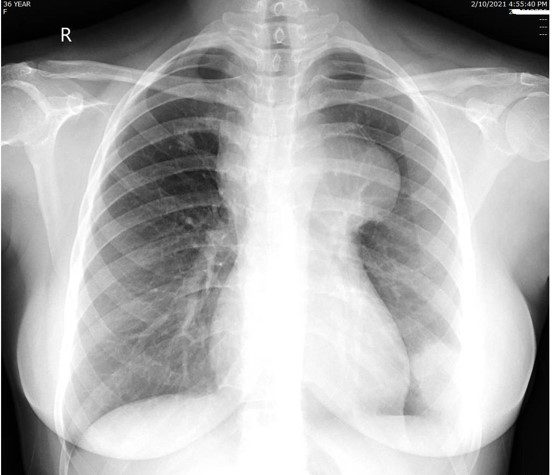
How To Justify Differential Diagnoses In Frcr Oral Exams

Learn how to prioritise & justify differential diagnoses clearly in FRCR 2B oral cases to maximise marks & demonstrate safe reasoning.

Nuclear Medicine Oral Cases For Frcr 2b

Discover how to approach nuclear medicine oral cases in the FRCR 2B exam, including radiotracer interpretation and structured reasoning.

Chest X Ray Oral Cases

Learn how to approach chest X-ray oral cases in the FRCR 2B exam using a structured method that improves clarity, diagnostic reasoning, …